

Executive Summary
Executive Summary
The Islamic Philanthropy Annual 2025 Report showcases the impact of Zakat and Sadaqah funds collected 2025.
Overall Impact of Zakat and Sadaqah Donations
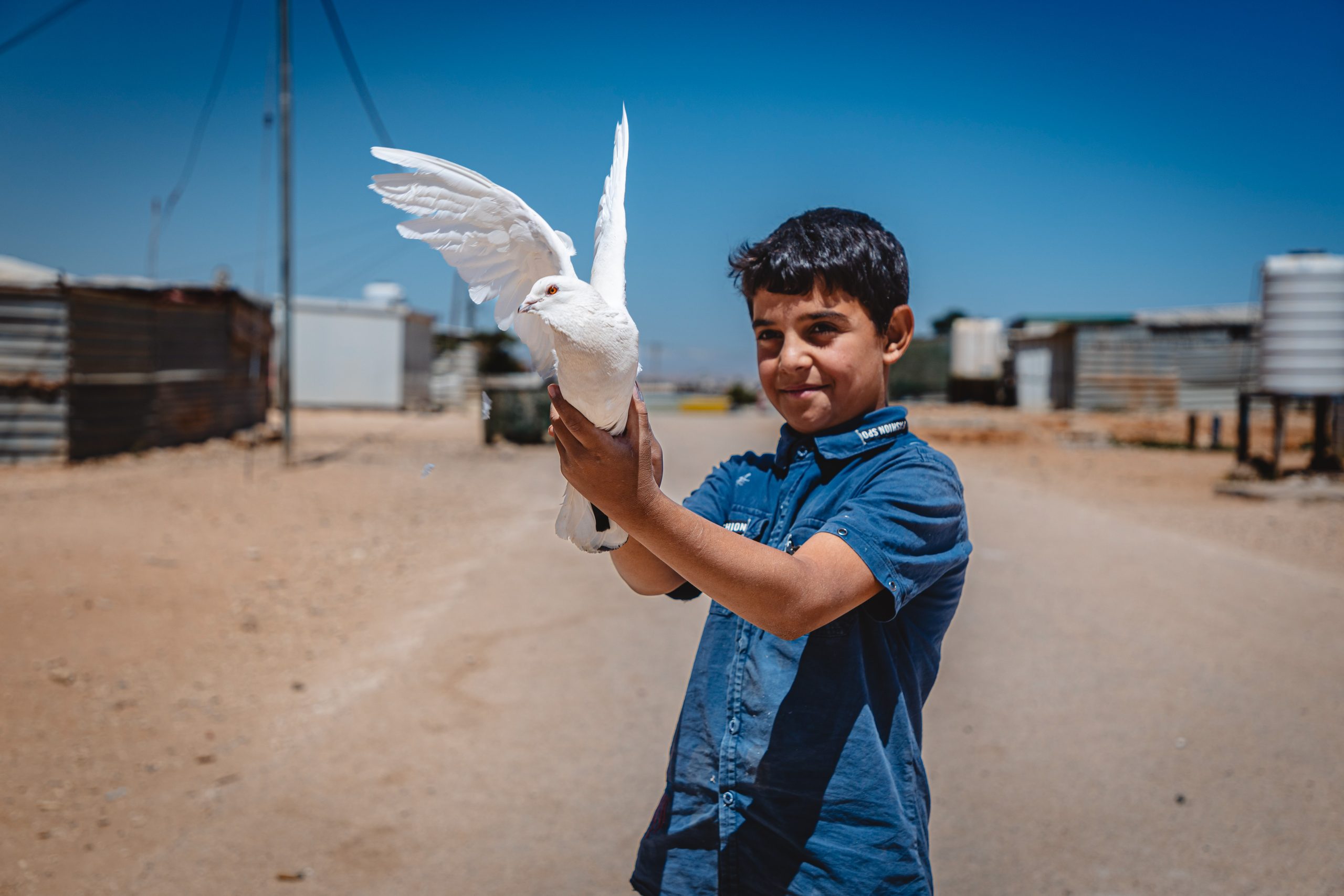
Throughout the entire course of 2025, and amidst a global humanitarian funding crisis, UNHCR’s Refugee Zakat Fund continued to serve as a trusted, Sharia-compliant channel for Islamic philanthropy, translating the generosity of institutional partners and individual donors into timely and dignified assistance for refugees, internally displaced persons (IDPs), and vulnerable host communities across 25 countries. Contributions mobilized through strategic partnerships, the Refugee Zakat Fund mobile application, and UNHCR’s Ramadan and Dhul Hijjah campaigns collectively enabled UNHCR to reach more than 1,000,000 beneficiaries during the year.
Since its piloting in 2017, the Refugee Zakat Fund has supported more than 9.9 million people across 36 countries, underscoring its role as a scalable, transparent, and values-driven humanitarian financing mechanism grounded in Islamic philanthropic principles.
The Impact of Zakat: Delivering Zakat with Integrity and Compliance
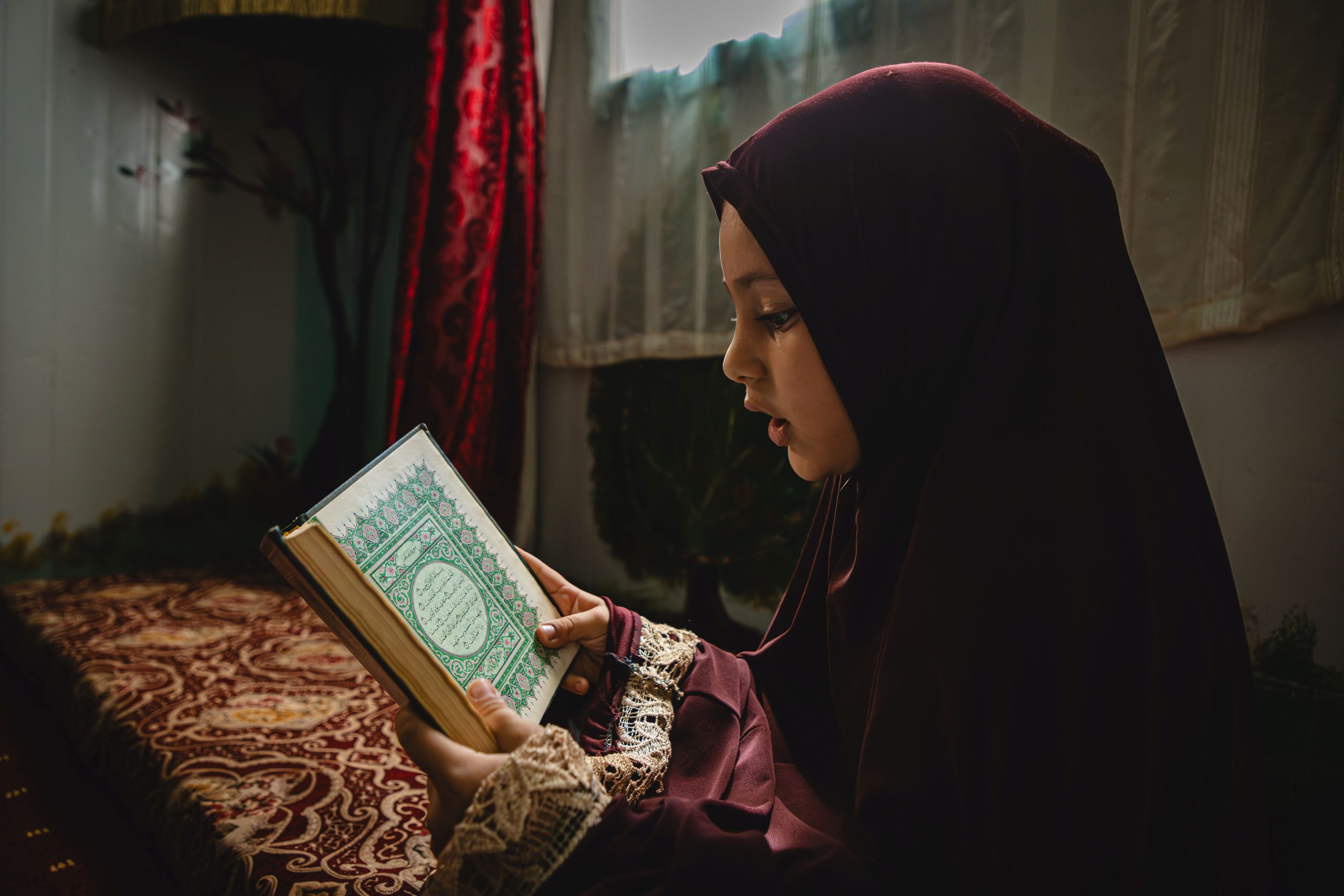
In 2025, the Refugee Zakat Fund received over USD 23 million in Zakat contributions, to be distributed in full in line with UNHCR’s 100% Zakat distribution policy, with 18 fatwas and scholarly endorsements underpinning the Fund.
Zakat assistance has been reaching more than 579,000 Zakat-eligible refugees and IDPs across 17 countries, including Afghanistan, Jordan, Sudan and Chad, through cash-based and in-kind modalities that ensured beneficiary ownership and dignity, in accordance with Sharia requirements. These interventions addressed immediate basic needs while reinforcing UNHCR’s commitment to accountability, traceability, and religious compliance.
Cumulatively since 2017, Zakat contributions channeled through the Refugee Zakat Fund have assisted more than 6.3 million refugees and IDPs in 28 countries, reflecting sustained donor confidence in UNHCR’s governance and delivery model.
The Impact of Sadaqah: Flexible Support for Diverse Humanitarian Needs
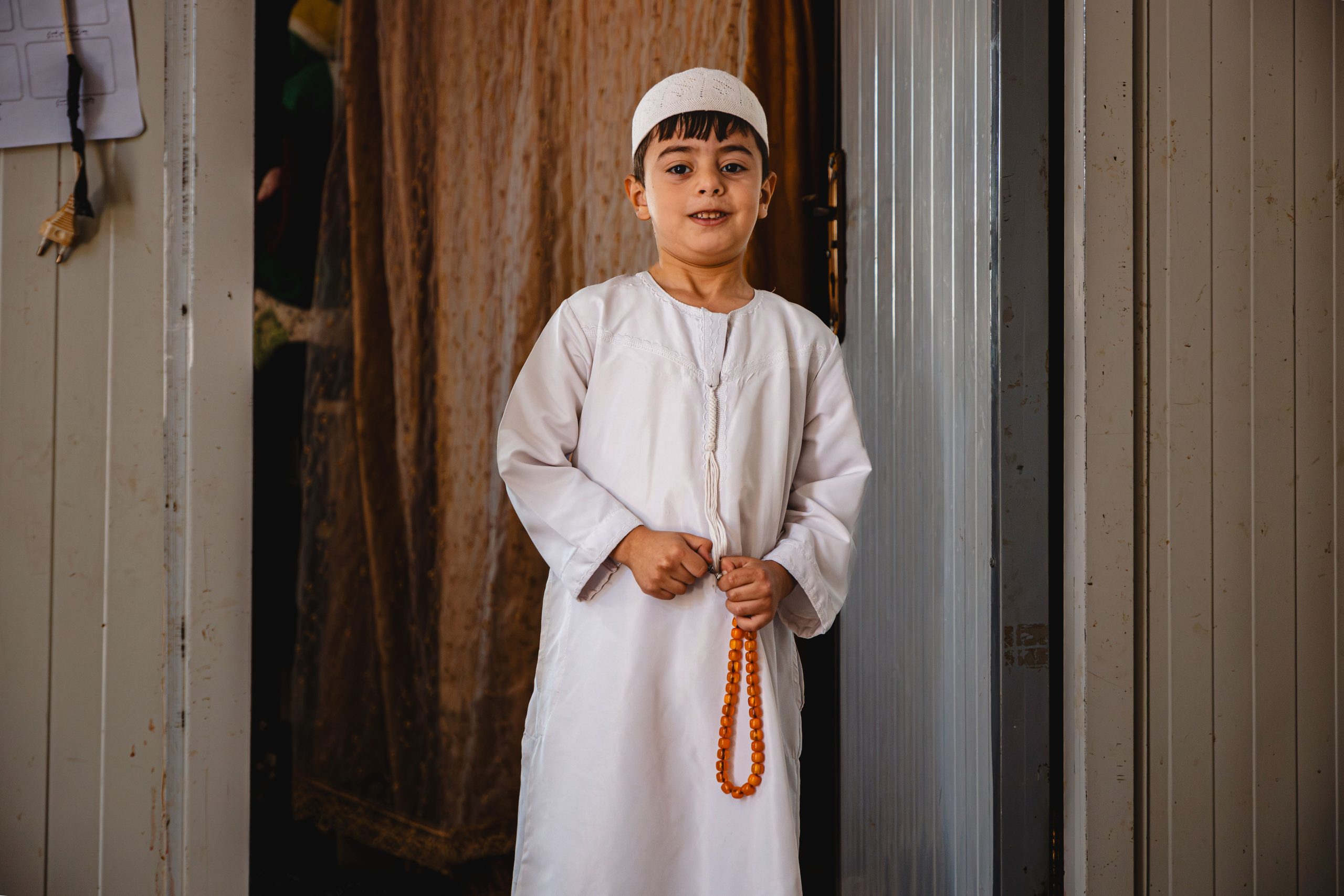
Complementing Zakat, UNHCR mobilized approximately USD 16 million in Sadaqah contributions during 2025, enabling assistance to more than 453,000 beneficiaries across 18 countries, including Bangladesh Tunisia, India, Namibia and Brazil. In line with donor intent and UNHCR programming priorities, Sadaqah funds supported a broad range of life-saving and resilience-building interventions, providing critical flexibility to respond to evolving humanitarian needs.
Since 2017, Sadaqah contributions have supported more than 3.6 million refugees, IDPs, and other vulnerable populations in 30 countries, reinforcing the complementary role of voluntary Islamic giving alongside Zakat in addressing both immediate and longer-term needs.
New Operations: Broadening our Reach
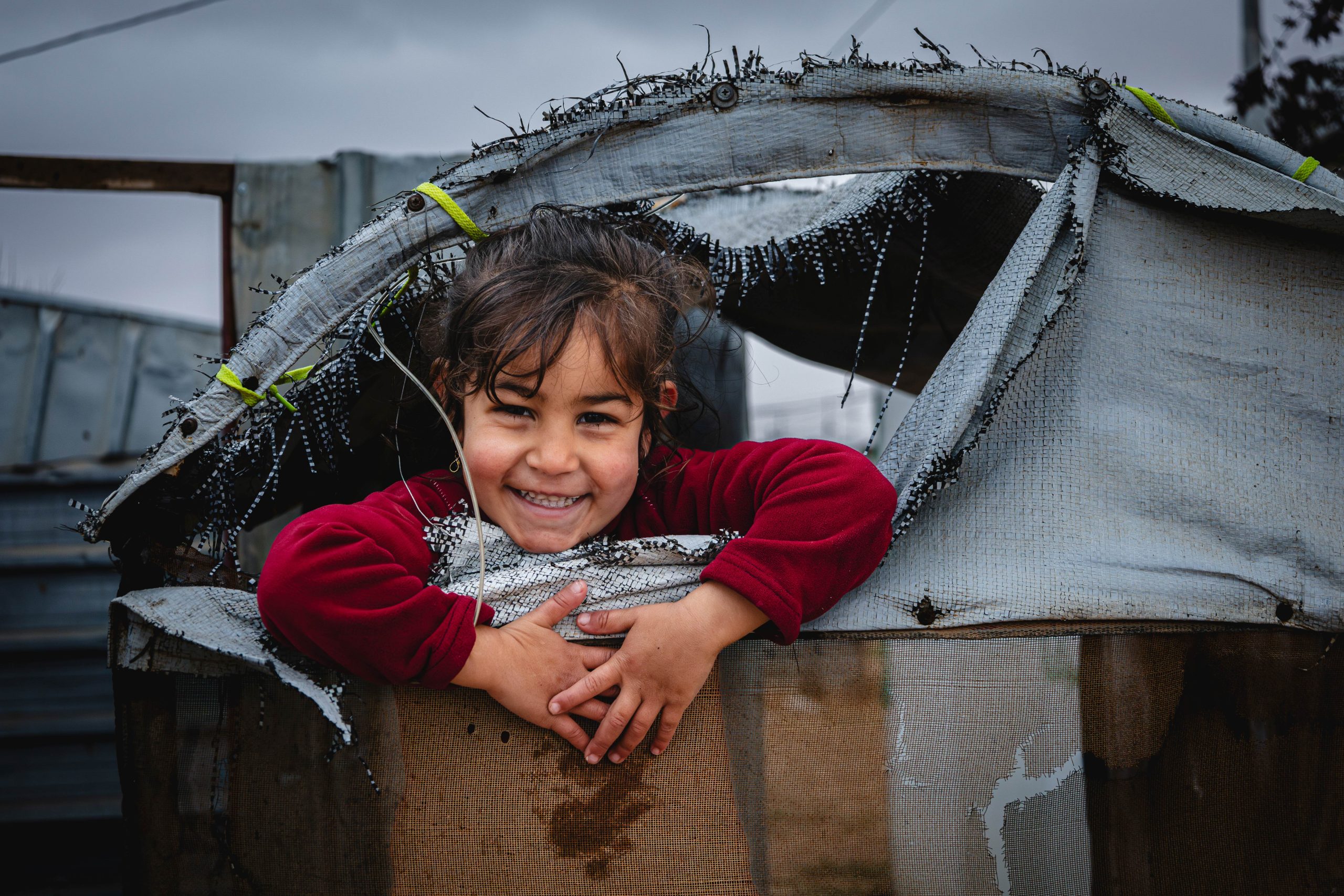
In 2025, the Refugee Zakat Fund expanded into new operations in Africa and South America. In Africa, Zakat funding supported cash assistance for displaced families in Botswana and education for vulnerable children in the Central African Republic. The Fund also deployed Zakat or Sadaqah resources in Brazil and Colombia.
Global Islamic Fund for Refugees
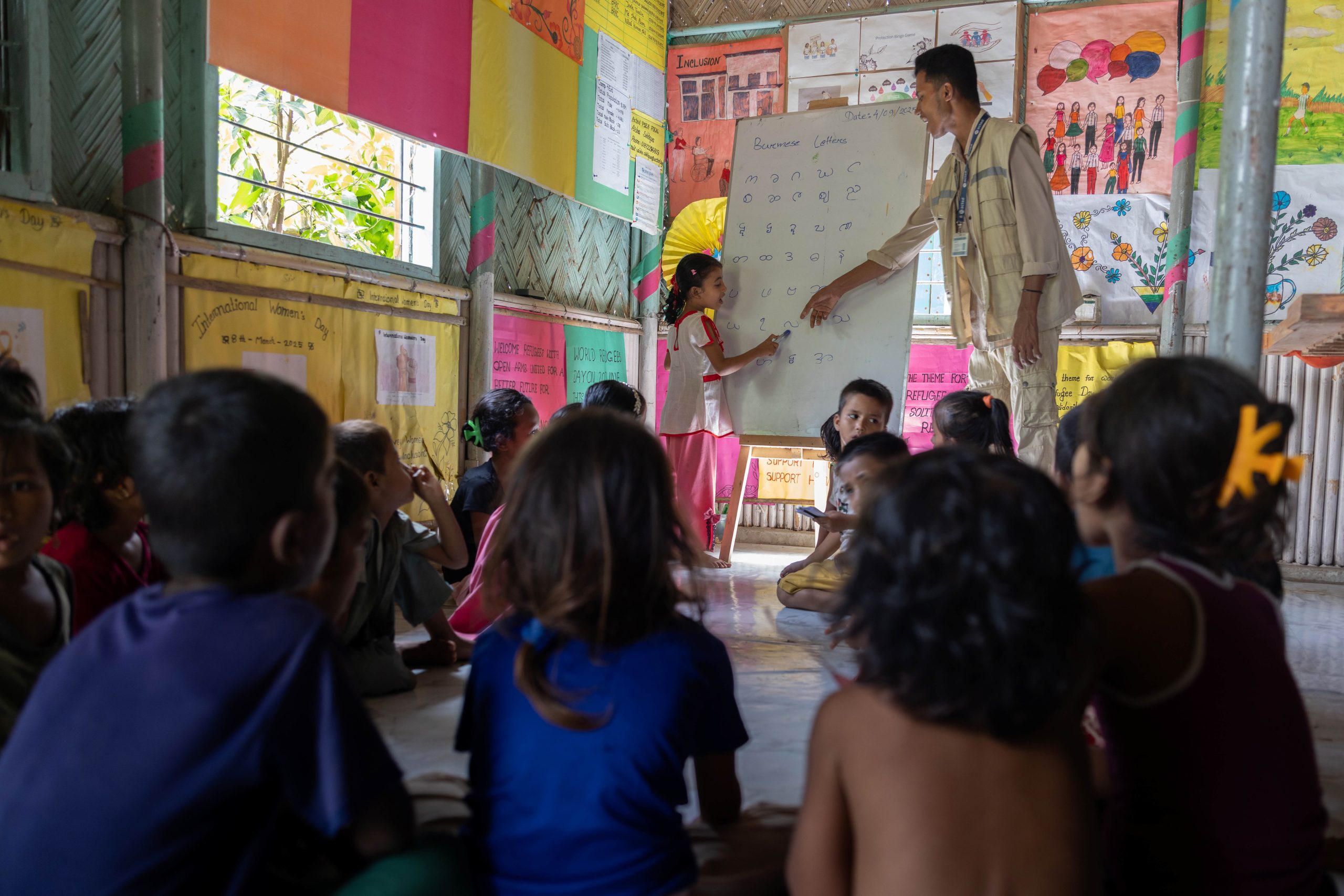
In 2025, the Global Islamic Fund for Refugees (GIFR) moved from its foundational phase into active operations, marking a major step in advancing Islamic social finance for humanitarian action.
Established in 2022 by UNHCR with the Islamic Development Bank and the Islamic Solidarity Fund for Development, GIFR is a Sharia-compliant endowment that generates sustainable funding to support refugees and host communities at a time of growing needs and shrinking traditional aid.
Campaigns
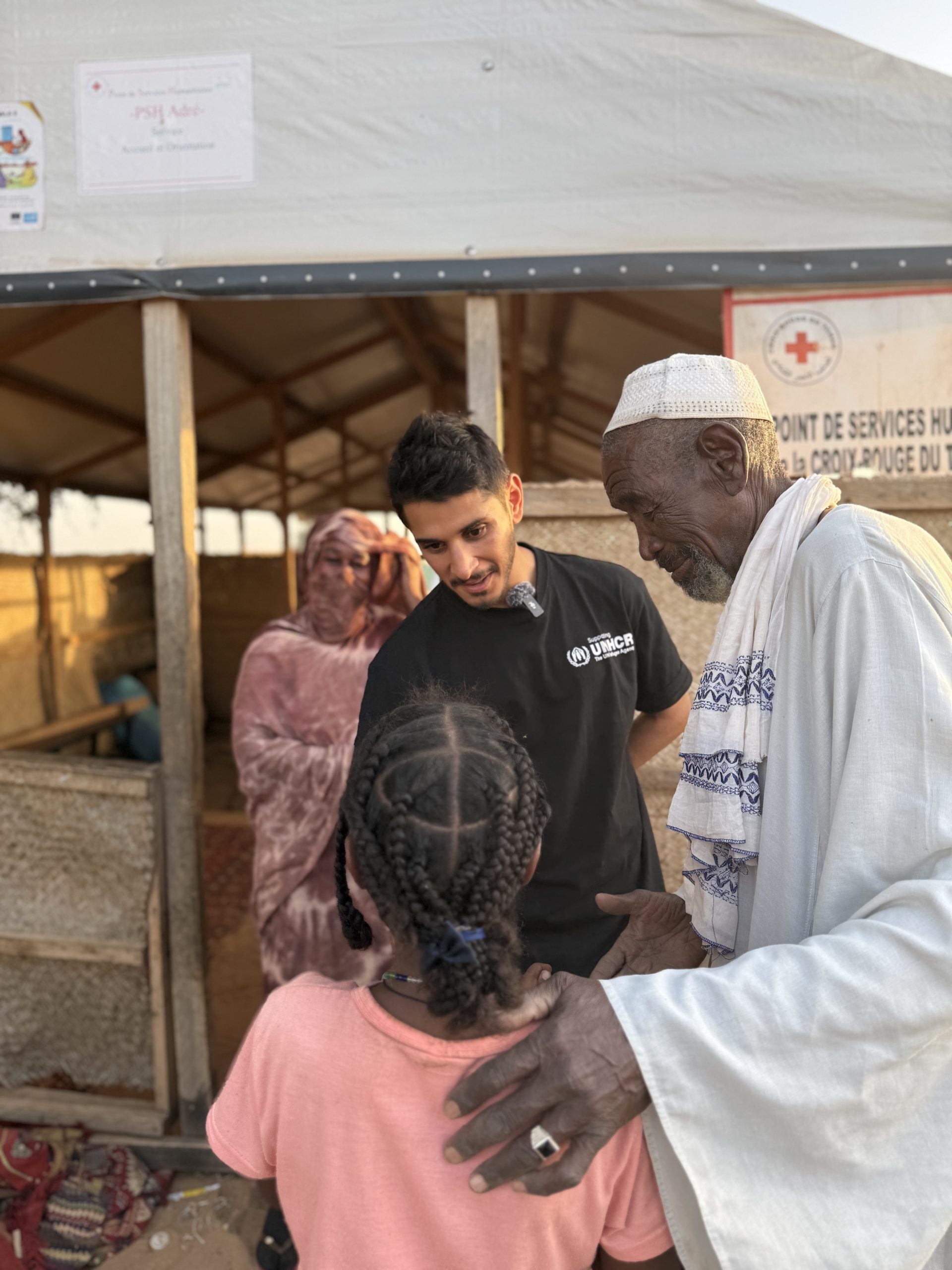
Over 199,800 displaced people received support through Zakat and Sadaqah during Ramadan, while Zakat al-Fitr assistance reached 2,019 refugees ahead of Eid al-Fitr.
Amid global humanitarian funding cuts, Zakat and Sadaqah contributions reached 4,961 vulnerable families in Yemen, Sudan, and Syria during Eid al-Adha.
Additionally, contributions through the Sadaqah Jariyah campaign enabled at least 280,000 people in Bangladesh to gain access to safe and clean water through long-term water infrastructure projects.
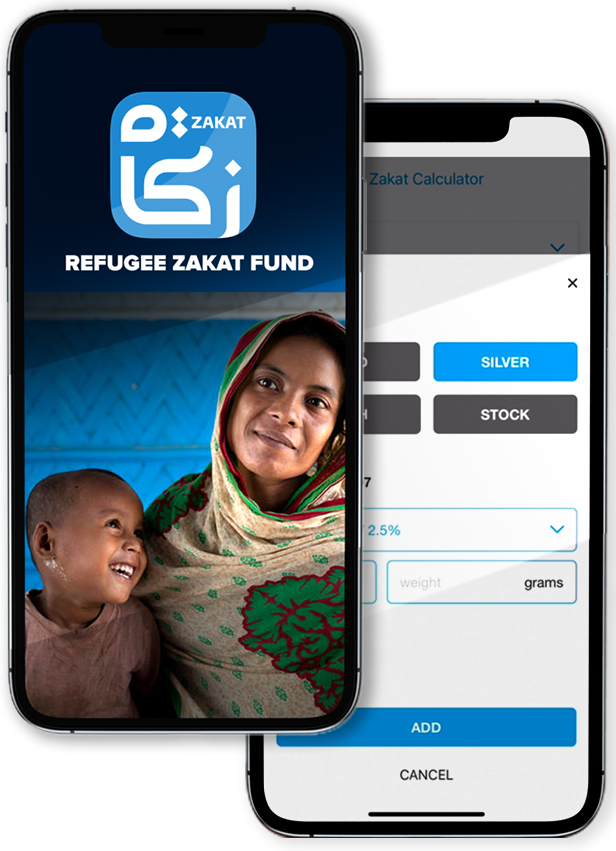
You can also donate your Zakat or Sadaqah through “Refugee Zakat Fund” App.
Download “Refugee Zakat Fund” App now on your mobile to send your Zakat and Sadaqah donations to the most vulnerable refugee and internally displaced families.
Download Now