

Global Islamic Fund for Refugees (GIFR)
In 2025, the Global Islamic Fund for Refugees (GIFR) transitioned from a foundational phase towards a more operational one, marking a key milestone in the evolution of Islamic social financing for humanitarian action.
Jointly launched in 2022 by UNHCR, the Islamic Development Bank (IsDB) and the Islamic Solidarity Fund for Development (ISFD), GIFR is a Sharia-compliant, endowment-based financing mechanism designed to generate sustainable income in support of refugees, internally displaced persons and host communities in IsDB member countries. By preserving invested capital and directing Sharia-compliant investment returns toward humanitarian programmes, the Fund supports interventions that strengthen protection, restore dignity and enhance long-term resilience.
This timely initiative comes at a time when humanitarian needs continue to rise; particularly across IsDB member countries. While traditional sources of international humanitarian funding continue to face sustained constraints, GIFR showcases the growing importance of exploring innovative and sustainable financing models. By capitalizing on the principles and instruments of Islamic social finance, the Fund offers a values-driven approach to mobilizing resources in support of displaced populations.
July 2025 marks a significant milestone, as UNHCR and the IsDB signed a groundbreaking agreement to allocate USD 2.5 million to support urgent humanitarian responses for Sudanese refugees in Chad, Egypt and Libya. This deployment represented the first significant operational use of a GIFR-linked capital to support a rapid, multi-country emergency response since the Fund’s inception.
Under the agreement, US$1.5 million was contributed solely by IsDB, US$500,000 by the Islamic Solidarity Fund for Development, and US$500,000 from GIFR. These combined resources enabled UNHCR to deliver a range of life-saving interventions, including access to safe water for tens of thousands of refugees in Chad, expanded healthcare services in Libya, and education, medical support and rehabilitation services in Egypt. The agreement has been widely recognized as a milestone in Islamic humanitarian finance, demonstrating how GIFR’s innovative model can be operationalized to respond to acute humanitarian needs while laying the groundwork for longer-term engagement.
By the end of 2025, GIFR had secured USD 120 million in endowed capital, bringing together key partners including UNHCR, the IsDB/ISFD, King Salman Humanitarian Aid and Relief Center and Islamic Relief USA. This growing capital base underpins the Fund’s long-term objective of mobilizing up to USD 500 million with the aim of generating predictable and sustained funding for critical humanitarian sectors.
Further progress was made in October 2025, when GIFR’s Steering Committee endorsed approximately USD 5 million in allocations for priority projects scheduled for implementation in 2026. These projects, to be implemented in Bangladesh, Sudan, Mali, Nigeria and the Central African Republic, are designed to bridge life-saving assistance and resilience-building efforts, with a focus on shelter, health, education and livelihoods.
Within UNHCR’s broader Islamic Philanthropy framework, GIFR complements existing instruments such as the Refugee Zakat Fund by introducing a predictable, investment-backed financing stream. While Zakat and Sadaqah remain essential in providing immediate, direct support to the most vulnerable families, GIFR expands the humanitarian financing landscape by enabling multi-year programming and strategic investment in protracted displacement contexts. Through this complementary approach, UNHCR continues to maximize the principles of Islamic philanthropy solidarity, stewardship and shared responsibility to respond to displacement with both urgency and sustainability.
Other Key Highlights
Campaigns
When compassion is shared, hope finds its way back
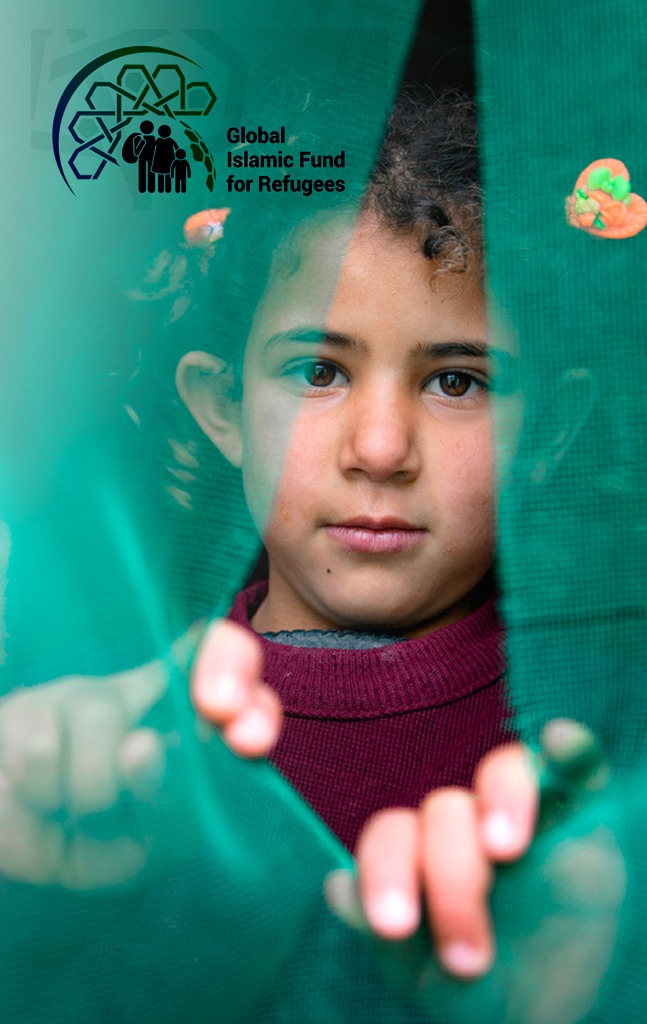
Global Islamic Fund for Refugees (GIFR)
Islamic finance in action, turning collective values into lasting hope.
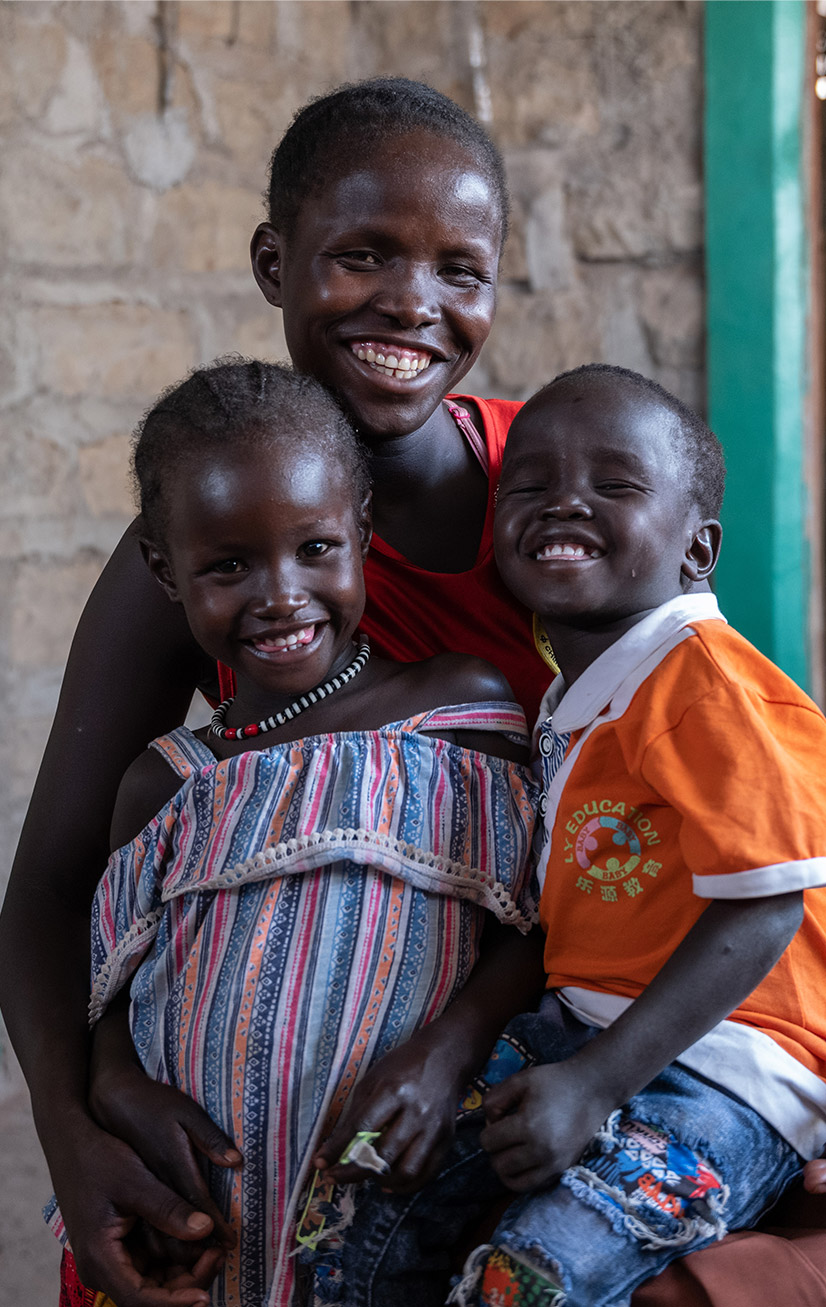
Home for a Home by Arada: A Safe Place to Live
From real estate to real impact: compassionate CSR delivering durable homes and stability
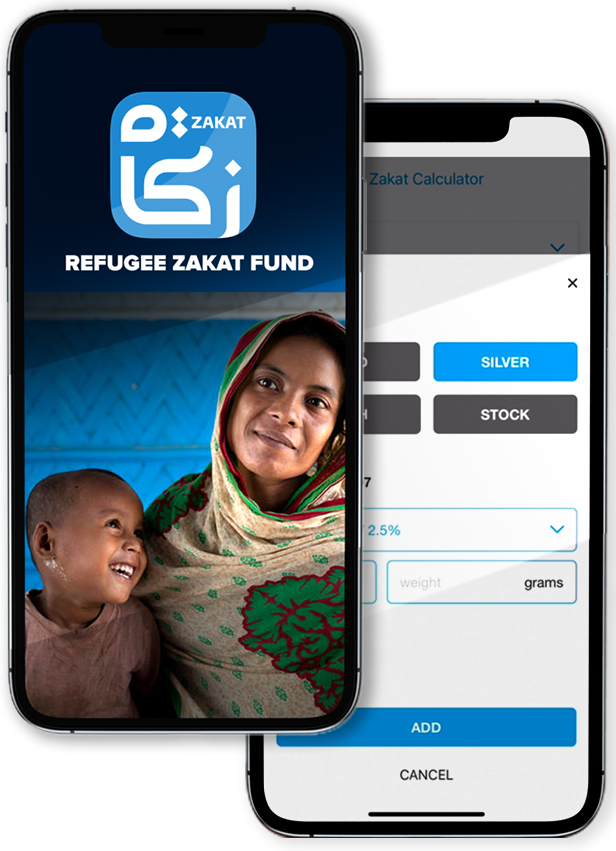
You can also donate your Zakat or Sadaqah through “Refugee Zakat Fund” App.
Download “Refugee Zakat Fund” App now on your mobile to send your Zakat and Sadaqah donations to the most vulnerable refugee and internally displaced families.
Download Now