

Executive Summary
The Islamic Philanthropy Mid-Year 2026 Report showcases the impact of Zakat and Sadaqah funds collected in 2026.
Making a Difference
Overall Impact of Zakat and Sadaqah Donations
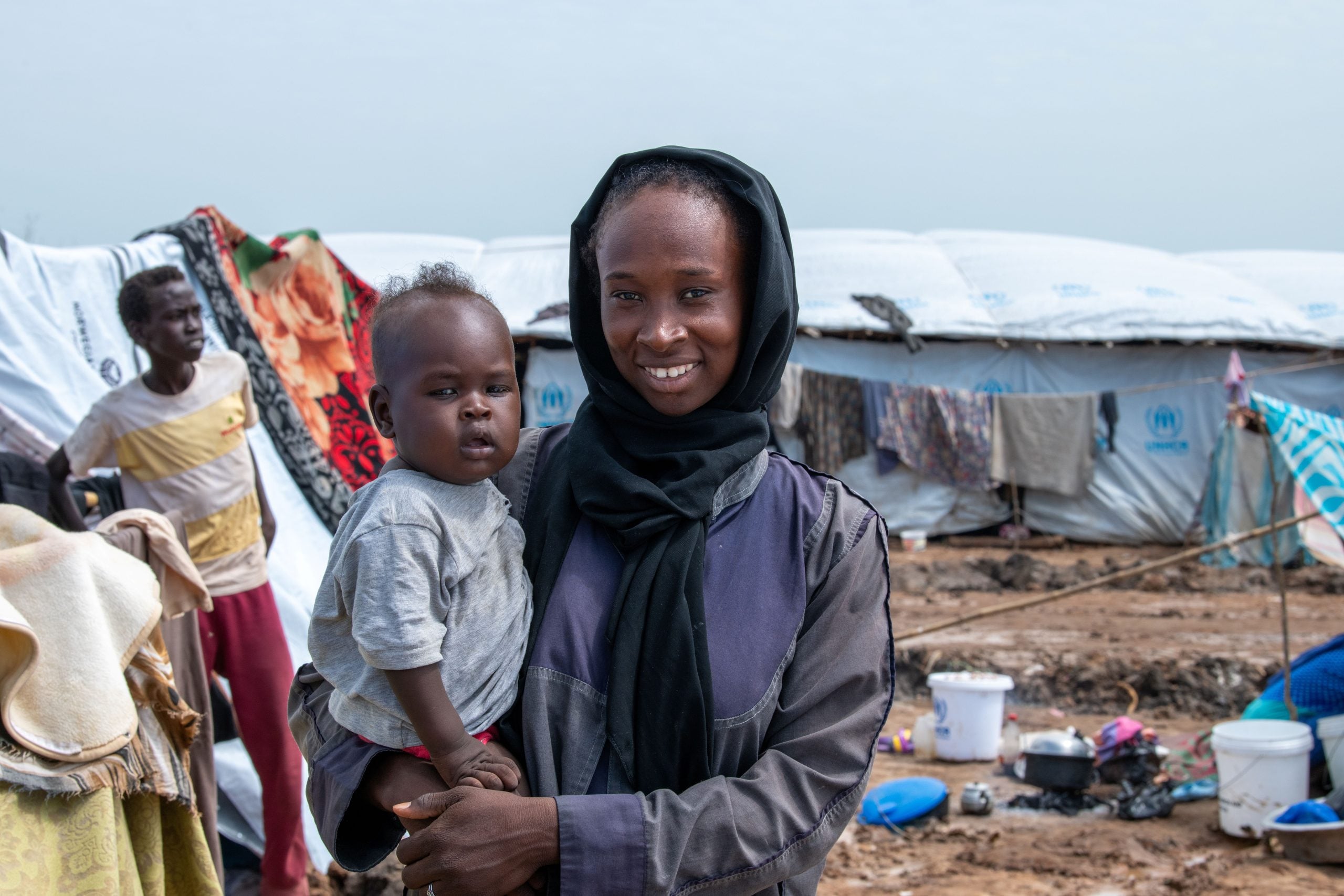
During the first half of 2026, protracted emergencies, new displacement, climate shocks and mounting economic pressures continued to deepen humanitarian needs. At the same time, reductions in international aid placed growing pressure on humanitarian operations and the communities they serve. Against this backdrop, UNHCR’s Refugee Zakat Fund remained a trusted and Sharia-compliant channel through which Islamic philanthropy could reach forcibly displaced families and individuals around the globe.
Contributions from institutional partners and individual donors including those mobilized through strategic partnerships, digital fundraising and UNHCR’s Ramadan and Dhul Hijjah campaigns generated more than USD 19 million in Zakat and Sadaqah income from January to June.
This support reached more than 612,000 refugees and internally displaced people across 15 countries, enabling families to meet urgent basic needs while preserving their dignity and ability to determine their own priorities.
Since the programme was piloted in 2017, the Refugee Zakat Fund has mobilized more than USD 321 million, 70% being Zakat. This sustained generosity reflects the Fund’s growing role as a transparent, scalable and values-driven humanitarian financing mechanism grounded in Islamic philanthropic principles.
The Impact of Zakat: Delivering Zakat with Integrity and Compliance
Throughout the first half of 2026, the Refugee Zakat Fund recorded USD 16.7 million in Zakat income, representing approximately 87 per cent of total Islamic philanthropy income during this period.
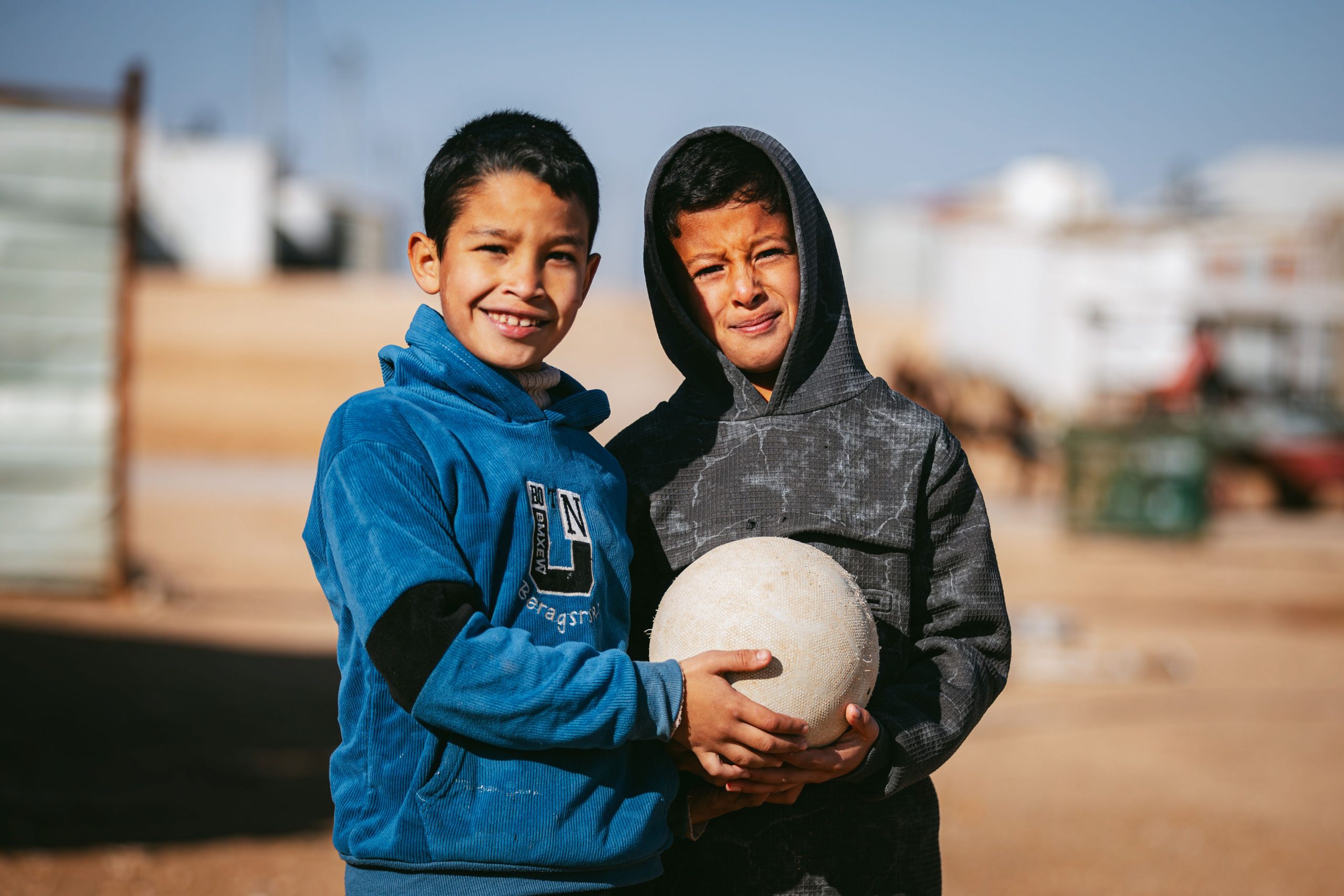
Zakat assistance reached more than 595,000 eligible refugees and internally displaced people from over 87,000 families. Support was delivered mainly through cash-based interventions as well as in-kind assistance that became the full property of recipients, enabling families to address their most immediate needs with dignity and in accordance with Sharia requirements.
UNHCR’s approach remains anchored in its 100 % Zakat distribution policy. Zakat contributions cover only the cash transfer value or the value of goods provided to eligible recipients, while operational costs including transfer fees, distribution expenses and staff costs are solely covered through other funding sources.
The Fund’s governance framework is based on 18 fatwas and scholarly endorsements, alongside dedicated financial controls, internal oversight and external compliance reviews. Together, these safeguards provide traceability throughout the process, from the receipt of a contribution to the delivery of assistance.
Since 2017, more than 70,000 donors and 50 institutional partners have entrusted the Refugee Zakat Fund with approximately USD 226.6 million in Zakat, reflecting continuous trust in UNHCR’s compliance, governance and impact.
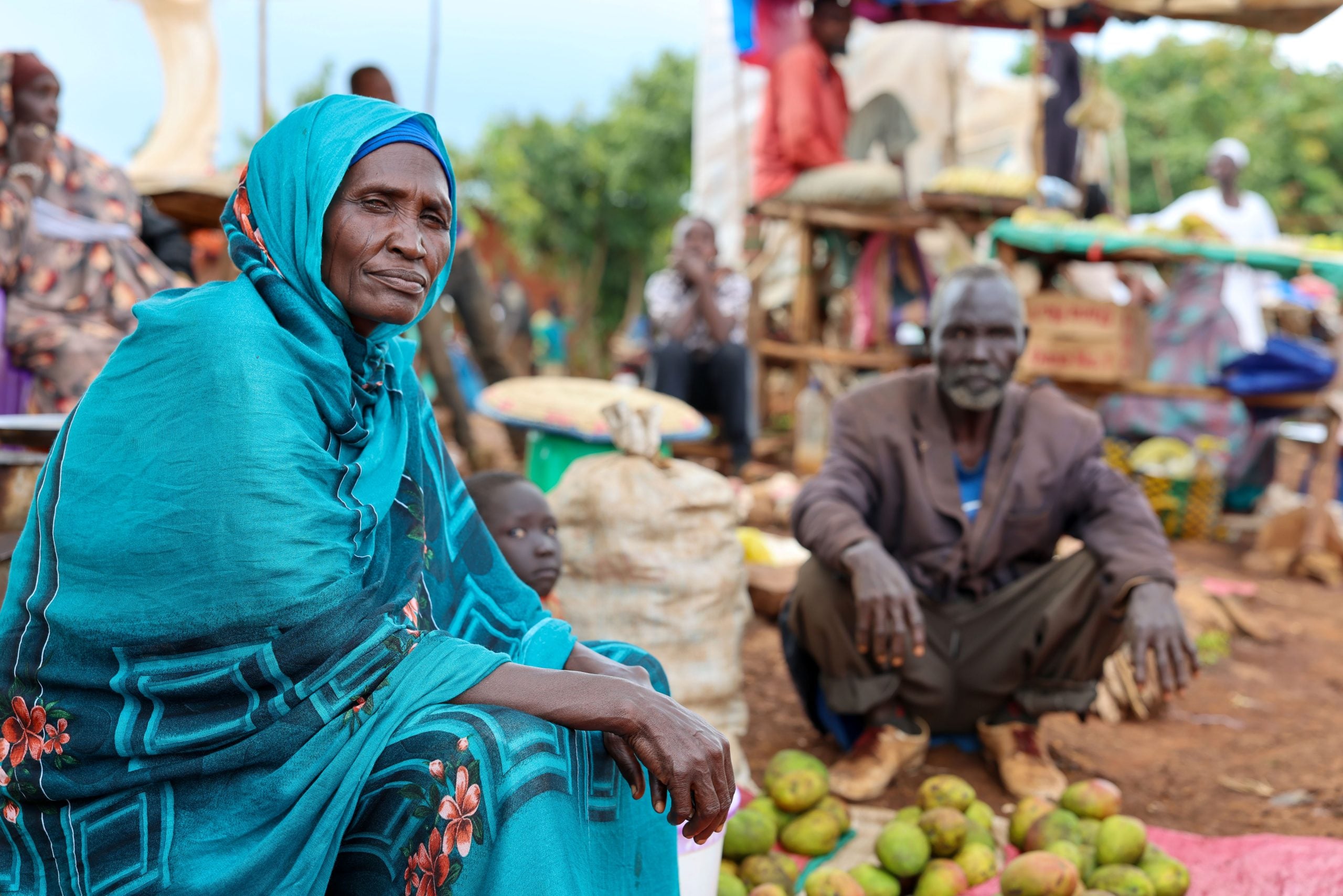
The Impact of Sadaqah: Flexible Support for Diverse Humanitarian Needs
Alongside Zakat, Sadaqah helped bridge critical funding gaps, with UNHCR recording approximately USD 2.4 million in Sadaqah income during the first six months of 2026. This support reached over 16,000 people from more than 3,000 families, in countries such as Bangladesh and Kenya.
Sadaqah is particularly valuable in an increasingly constrained and fragmented funding environment. Its flexibility enables UNHCR to respond to changing conditions, address urgent or underfunded priorities, and sustain essential assistance in emergencies receiving limited international attention.
Depending on donor intent and operational priorities, Sadaqah can support a broad range of life-saving and resilience-building interventions. It therefore complements Zakat by responding to immediate needs while allowing UNHCR to address needs that may fall outside specific Zakat eligibility or distribution requirements.
In Bangladesh, Sadaqah Jariyah donations provided clean water to thousands of Rohingya refugees living in refugee camps.
Since 2017, donors and partners have contributed approximately USD 95.3 million in Sadaqah, reinforcing the important role of voluntary Islamic giving alongside Zakat in supporting forcibly displaced and other vulnerable populations.
Campaigns
During the first half of 2026, UNHCR’s Ramadan and Dhul Hijjah campaigns provided vital assistance to more than 52,000 families (261,845 individuals) globally, helping refugees and displaced communities meet their essential needs with dignity amid growing humanitarian challenges and funding constraints. Together the two campaigns mobilized approximately USD 16.4 million through Zakat and Sadaqah contributions from donors worldwide. The Ramadan campaign alone raised nearly USD 15.9 million.